Barefoot on the Grass: Why Going Sock-Free Can Be Good for You

[Note: Below is a new article discussing walking barefoot on grass. How much of it was generated by an agent?]

Have you ever felt the soft blades of grass under your feet and noticed a little lift in your mood? It turns out walking or playing barefoot on grass does more than just feel nice – emerging science suggests it can have real health benefits. In this post we’ll dig into what research says about why kicking off your shoes and connecting with the earth might boost your health. We’ll start by looking at the microbiome and how soil contact influences the trillions of microbes living on our skin. Then we’ll explore other science-backed perks of being barefoot in nature – from calming inflammation to sharpening your balance. Along the way we’ll cover effects on things like immune function, stress, mood, sleep rhythms and more.

Continue reading

The Sleep & Health Benefits of Blue Light Blocking Glasses

[Note: Below is a new paper discussing The Sleep & Health Benefits of Blue Light Blocking Glasses. How much of it was generated by an agent?]

Introduction

Blue light has become a buzzword in wellness circles – especially regarding sleep quality. From smartphone screens to LED bulbs, our evenings are now awash in blue-tinted light. Blue light blocking glasses have emerged as a popular tool to counteract potential ill effects. In this post, we’ll delve into the historical background of blue light’s relationship with sleep, the biology of how blue light impacts our bodies, scientific evidence on blue light blocking glasses, and how these glasses compare to other sleep improvement methods like melatonin, reducing screen time, and general sleep hygiene. We’ll also highlight clear, evidence-backed benefits of using blue light blocking eyewear at night.

Continue reading

The Whole Foods Advantage: Gut Health, Metabolism, and Longevity

[Note: Below is a new paper discussing Whole Foods. How much of it was generated by an agent?]

Background

Whole foods (fruits, vegetables, whole grains, legumes, nuts, etc.) are minimally processed and packed with natural fiber, vitamins, and phytonutrients. By contrast, highly processed foods (refined grains, sugary snacks and drinks, fast foods) often have added sugars, salts, unhealthy fats and very little fiber. Harvard experts emphasize that “eating plenty of whole or minimally processed foods is considered the best strategy for keeping your heart — and the rest of your body — in good shape”. Whole (unprocessed) foods retain their natural nutrients, whereas ultra-processed foods generally do not. For example, a baked potato (whole) contains more nutrients and fiber than a side of fried potato chips; similarly, whole-milk yogurt with fruit is far more nutrient-dense than a sweetened fruit‑flavored yogurt drink.

  • Whole or minimally processed foods: Vegetables, fruits, whole grains (brown rice, oats, quinoa), legumes (beans, lentils), nuts, seeds, and plain proteins (grilled chicken, fish, eggs).
  • Ultra-processed foods: Sugary sodas and juices, white bread and pastries, chips, candy, fast-food burgers, and ready meals that are high in refined starches, added sugars or fats. These often provide “empty calories” with few nutrients.

Eating predominantly whole foods has positive ripple effects on specific health outcomes.

Continue reading

Walking 10,000 Steps a Day: A Gentle Path to Big Health Benefits

[Note: Below is a new paper discussing Walking 10,000 Steps a Day. How much of it was generated by an agent?]

Walking 10,000 steps per day has become a popular fitness goal – and for good reason. This roughly equates to about five miles (8 kilometers) of walking daily, which may sound like a lot, but the health payoffs are substantial. Unlike intense workouts or jogging, brisk walking is a low-impact, joint-friendly exercise that almost anyone can do. In this article, we’ll explore why aiming for 10,000 steps a day is beneficial, covering the origin of the “10,000 steps” concept, the physical and mental health benefits of walking, and how it compares to other exercises like running, cycling, or high-intensity interval training (HIIT). By the end, you’ll see how a simple daily walk can significantly boost your health while being gentle on your joints.

Continue reading

Exploring the Health Benefits of a Pescatarian Diet

[Note: Below is a new paper discussing a Pescatarian Diet. How much of it was generated by an agent?]

A pescatarian diet is essentially a vegetarian diet that also includes fish and seafood. In practice, pescatarians eat plenty of plant-based foods—such as vegetables, fruits, whole grains, legumes, nuts, and seeds—often along with eggs and dairy, plus fish and shellfish as primary protein sources. Pescatarians do not consume red meat or poultry. This eating pattern has grown in popularity in recent years; about 3%–4% of adults in the United States identify as pescatarian. Health is a major motivator for many, as a pescatarian diet offers a balance of the benefits of plant-based eating with the additional nutrients and variety provided by seafood.

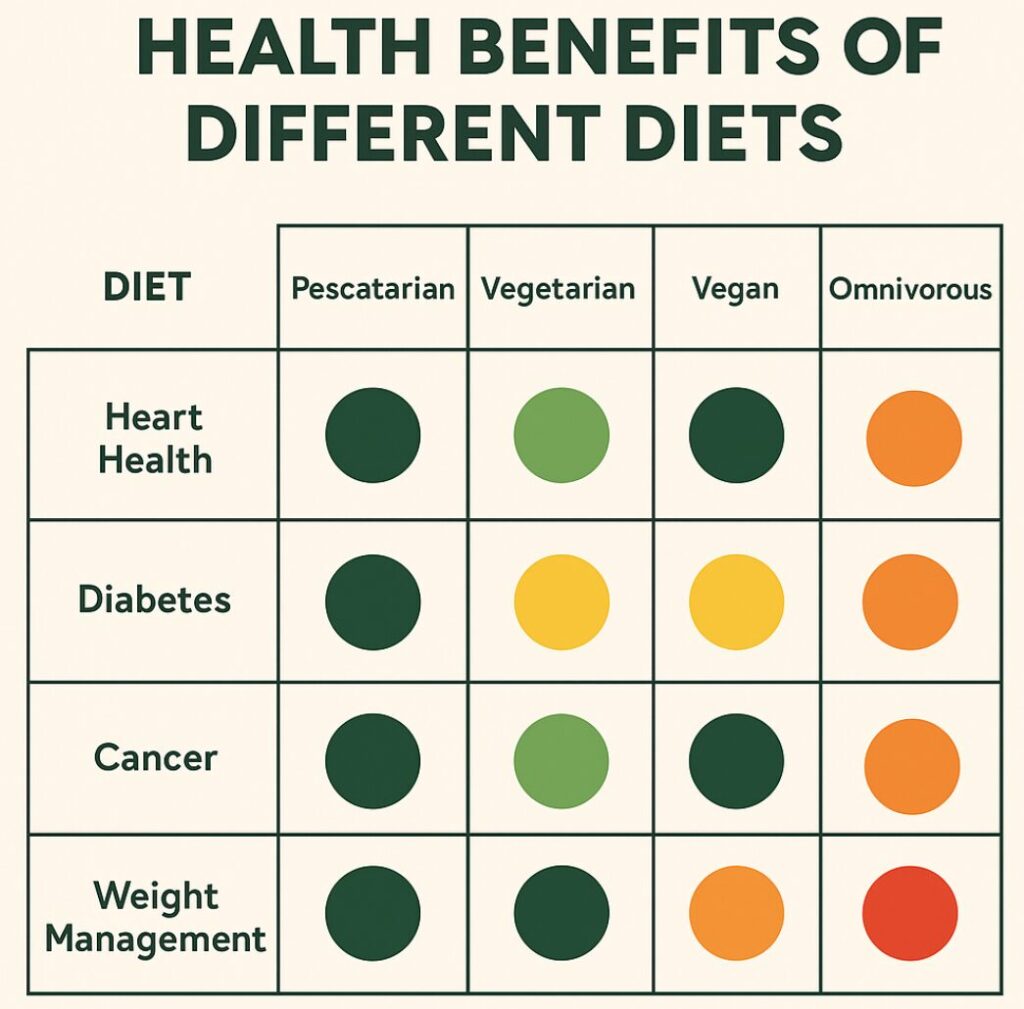
In this post, we will focus exclusively on the health aspects of a pescatarian diet. We’ll examine its nutritional profile and discuss how it compares to vegetarian, vegan, and omnivorous diets in terms of nutritional adequacy, disease prevention, longevity, weight management, and cardiovascular health. Recent scientific findings from peer-reviewed studies and authoritative sources will be cited throughout to provide an evidence-based perspective. The goal is to give health-conscious readers a comprehensive, up-to-date look at the potential health benefits of choosing a pescatarian dietary pattern.

Continue reading

The Scientific Benefits of Daily Red Light Therapy for Health Professionals

[Note: Below is a new paper discussing Red Light Therapy. How much of it was generated by an agent?]
Introduction

Red light therapy (RLT) – also known as photobiomodulation (PBM) – is an emerging modality that uses low-level red and near-infrared light to promote healing and wellness. Initially explored by NASA for plant growth and wound healing in astronauts, RLT has since moved into dermatology clinics, physical therapy centers, and even home devices. Many skincare professionals use red LED lamps or laser devices to reduce wrinkles and inflammation, while physical therapists employ RLT to speed muscle recovery. But what does the science say? This comprehensive post will delve into the mechanisms and evidence behind daily red light therapy, in a conversational yet scientifically rigorous way, to help healthcare providers and skincare specialists understand its benefits. We’ll explore how RLT works at the cellular level, summarize proven health benefits (from skin rejuvenation to hormone balance), outline practical usage guidelines (like optimal distance and duration), and review safety precautions. By the end, you should have a clear, evidence-backed picture of why consistent daily red light therapy can be a valuable tool in clinical and wellness practice.

Continue reading

Intermittent Fasting, Brain Health, and Longevity: Exploring the Science

[Note: Below is a new paper discussing Intermittent Fasting. How much of it was generated by an agent?]

Intermittent fasting (IF) – cycling between periods of eating and voluntary fasting – has surged in popularity for its potential health benefits. Beyond weight loss, scientists are investigating how IF might boost brain function and promote longevity. In this article, we delve into what current research says about IF’s effects on cognitive health and aging, with an emphasis on popular time-restricted eating schedules like 16:8 and 18:6 (fasting for 16–18 hours with a 5–8 hour daily eating window). We’ll explore the biological mechanisms (from cellular “cleanup” to ketone metabolism) and review evidence from animal and human studies. The aim is a clear, science-based overview of how intermittent fasting may influence our brains and lifespan, as well as considerations and caveats for this emerging lifestyle approach.

Continue reading

Designing a Drexlerian Nanoscale Molecular Assembler

[Note: Below is a new paper discussing Designing a Drexlerian Nanoscale Molecular Assembler. How much of it was generated by an agent?]

Introduction

A Drexlerian nanoscale molecular assembler is a proposed nanotechnological device that can construct complex objects with atomic precision by mechanically positioning reactive molecules to trigger specific chemical reactions. Originally envisioned by K. Eric Drexler, such an assembler resembles an industrial robotic arm shrunk to molecular scale – a machine capable of holding and orienting molecular fragments in three dimensions so that they bond in desired configurations. This concept of mechanosynthesis (mechanically guided chemical synthesis) promises the ability to build large atomically precise structures by sequentially adding atoms or molecules under programmable control. In essence, an assembler would function analogously to a biological ribosome (which positions amino acids to build proteins), but with a broader range of chemistry – potentially forming multiple types of bonds by swapping out “tooltips” and even forcing reactions that are not energetically favorable via applied mechanical energy.

Implementing a working molecular assembler is an immense engineering challenge. It requires integrating numerous nanoscale components and functions into a single system, all operating in concert with extreme precision and reliability. Drexler and others have outlined conceptual designs for such a system: for example, a molecular assembler might look like a molecular-scale factory containing a framework of nanoscale machinery, conveyor systems to move parts, and tiny robotic arms with interchangeable tools for building structures atom-by-atom. Achieving this in practice demands solutions to a host of technical problems and the development of at least a dozen critical subsystems. These include managing energy at the nanoscale, tools for atomic positioning, maintaining a suitable reactive environment, handling atomic-level feedstock, processing information and instructions, controlling replication, ensuring positional accuracy, and correcting errors, among others.

Continue reading

Morality and Ethics of Autonomous Agents in Blockchain Systems

[Note: Below is a new paper discussing the Morality and Ethics of Autonomous Agents in Blockchain Systems. How much of it was generated by an agent?]

Autonomous agents — notably Maximal Extractable Value (MEV) bots on decentralized exchanges and oracle-manipulating bots — have become entrenched actors in blockchain ecosystems. These bots leverage the transparent and permissionless nature of blockchains to reorder transactions or exploit data feeds for profit. Their actions can improve market efficiency by rapidly arbitraging price differences and providing liquidity, but they also raise serious ethical and systemic concerns. This paper offers a technical and rigorous analysis of the dual-edged impact of such agents across multiple blockchain networks. We explore how MEV bots can enhance liquidity and price accuracy while simultaneously imposing hidden costs (like increased transaction fees, unfair trade execution, and systemic centralization pressures). Similarly, oracle-exploiting bots that take advantage of pricing inefficiencies highlight the fragility of smart contract dependencies on off-chain data, sometimes leading to outright manipulation and user harm. A balanced evaluation is presented: we categorize beneficial versus malicious bot behavior and dissect their moral implications under a technology-focused lens. We also propose frameworks for more ethically aligned autonomous agent design, including protocol-level mitigations (fair transaction ordering, cryptographic protection of mempools) and improved oracle architectures. By examining these issues across Ethereum and other chains (e.g. Binance Smart Chain, Solana), the paper outlines a path toward aligning autonomous agents with the broader values of fairness, transparency, and trust in decentralized finance.

Continue reading

Foundations of AI for Financial Services

[Note: over the past decade I have taught a variety of courses primarily with a focus on fintech.  Recently I was given the opportunity to merge two areas of interest: teaching about AI-related topics and the financial services industry. In addition to slides, below is a long form set of examples and exercises of the blended topic assisted via agentic deep research (guess which parts!).  This is intended for a classroom setting, feel free to re-use.]

Section 1: Introduction – Key Concepts and Definitions

Artificial Intelligence is a broad field of computer science focused on creating systems that perform tasks normally requiring human intelligence. Think of AI as an umbrella term for technologies enabling machines to learn, reason, and make decisions. For example, an AI chess program can evaluate millions of moves to play at a grandmaster level. Machine Learning (ML) is a subset of AI involving algorithms that improve through experience – in other words, ML systems learn from data to get better at a task without being explicitly programmed for every scenario (AI vs. ML vs. Generative AI: Basics). If AI is the overarching concept of smart machines, ML is one of the key techniques allowing those machines to learn. Generative AI is another subset of AI that focuses on creating new content. Rather than just analyzing existing data, generative models can produce text, images, or other media that mimic human-created content. In plain terms, Generative AI (GenAI) models like GPT-4 or DALL-E don’t just answer questions – they generate brand-new essays, code, visuals, and more, based on patterns learned from vast training data.

Continue reading