[Note: Below is a new paper discussing Whole Foods. How much of it was generated by an agent?]
Background
Whole foods (fruits, vegetables, whole grains, legumes, nuts, etc.) are minimally processed and packed with natural fiber, vitamins, and phytonutrients. By contrast, highly processed foods (refined grains, sugary snacks and drinks, fast foods) often have added sugars, salts, unhealthy fats and very little fiber. Harvard experts emphasize that “eating plenty of whole or minimally processed foods is considered the best strategy for keeping your heart — and the rest of your body — in good shape”. Whole (unprocessed) foods retain their natural nutrients, whereas ultra-processed foods generally do not. For example, a baked potato (whole) contains more nutrients and fiber than a side of fried potato chips; similarly, whole-milk yogurt with fruit is far more nutrient-dense than a sweetened fruit‑flavored yogurt drink.
- Whole or minimally processed foods: Vegetables, fruits, whole grains (brown rice, oats, quinoa), legumes (beans, lentils), nuts, seeds, and plain proteins (grilled chicken, fish, eggs).
- Ultra-processed foods: Sugary sodas and juices, white bread and pastries, chips, candy, fast-food burgers, and ready meals that are high in refined starches, added sugars or fats. These often provide “empty calories” with few nutrients.
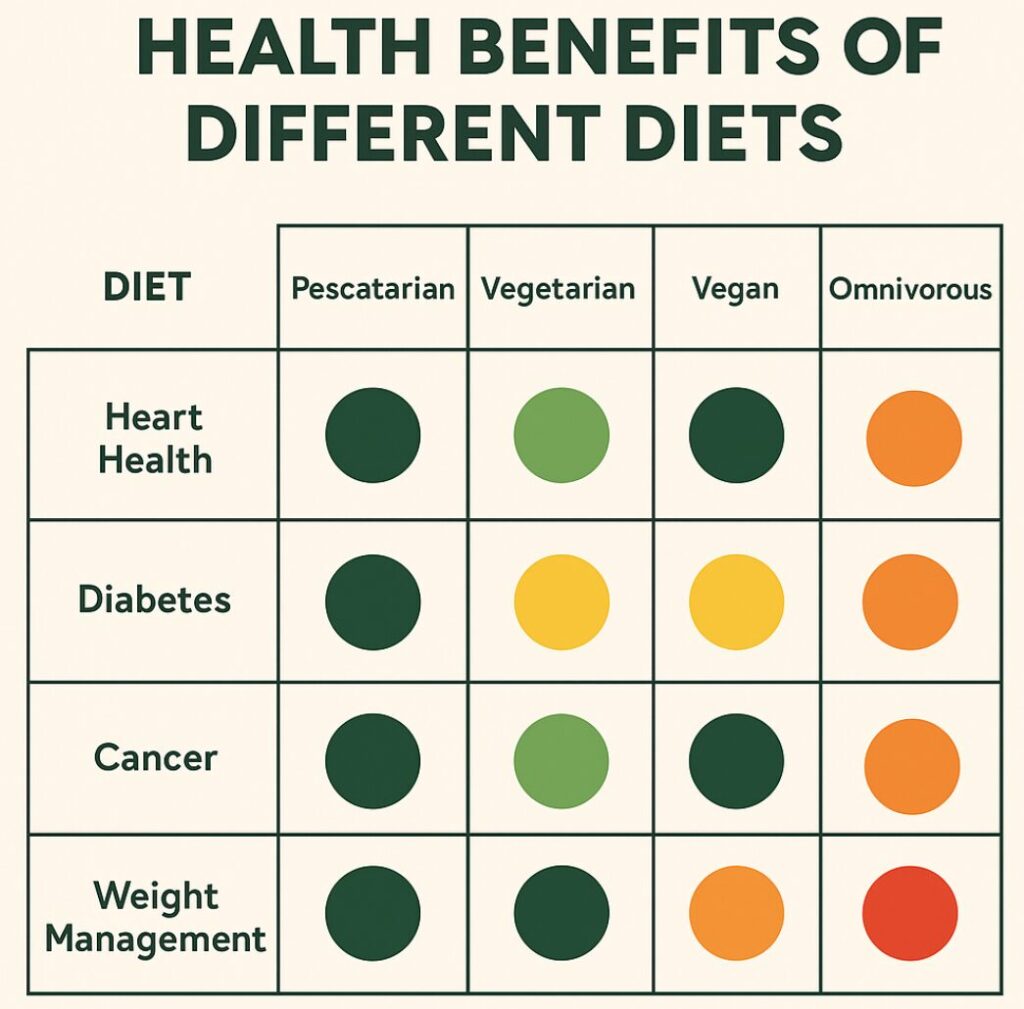
Eating predominantly whole foods has positive ripple effects on specific health outcomes.
Continue reading